How Much Should a Small Business 401(k) Cost in 2026?
Updated August 20, 2026
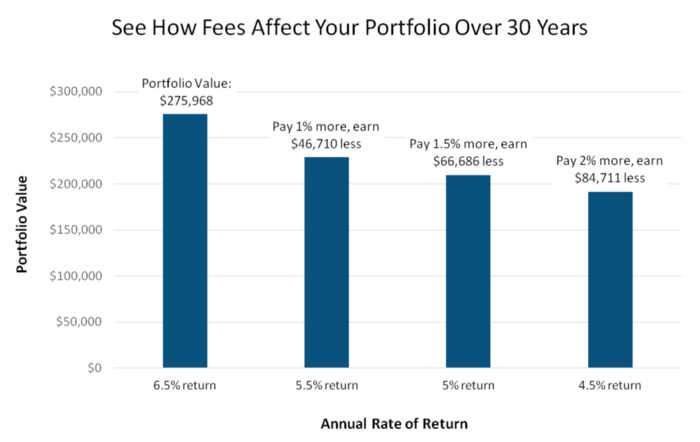
A useful cost review includes administration, recordkeeping, investments, advice, and participant-level charges, not just one headline fee.
Key takeaways
There is no single 401(k) price
A small business 401(k) usually involves several functions that may be bundled together or billed separately. The total may include recordkeeping, third-party administration, custody or trust services, investment expenses, advisory services, payroll integration, participant education, and charges tied to optional features.
That is why two proposals with similar headline prices can produce very different total costs and service levels. A clean comparison identifies who performs each function, what the plan or participants pay, and whether any compensation is embedded inside the investments.
The main categories to review
The Department of Labor groups plan costs into broad categories that are useful for a first review.
- Plan administration fees, including recordkeeping, accounting, legal, trustee, and communication services
- Investment fees, including fund management and other expenses deducted from investment returns
- Individual service fees for optional participant transactions or features
- Advisory and education fees paid for plan-level or participant-level guidance
Reasonable does not always mean cheapest
Price matters, but the lowest bid is not automatically the best plan. A sponsor should compare cost together with service quality, investment options, cybersecurity practices, participant support, provider experience, and the work required from the employer.
A plan that costs slightly more but improves service, communication, or administration may be a better fit. The decision should be supported by a documented process using complete and comparable information.
Use a benchmark to see the whole picture
A plan benchmark organizes current invoices, fee disclosures, investment reports, service agreements, participant counts, and plan assets. It can reveal duplicated services, expenses that were not obvious, or support gaps that are worth addressing.
Qmulate publishes its current advisory, base, and participant pricing on the 401(k) pricing page. Independent administration, recordkeeping, custody, investment, and transaction charges depend on the plan arrangement and should be reviewed separately.
Questions business owners ask
Who usually pays 401(k) fees?
Depending on the plan, the employer may pay some charges while other fees are paid from plan assets or participant accounts. Plan documents and disclosures should explain how each fee is allocated.
How often should fees be reviewed?
Plan sponsors should monitor fees and services on an ongoing basis and revisit them when plan size, service needs, investments, or provider terms change.
Official resources
Continue your research
This article provides general educational information and is not legal or tax advice. Plan requirements and provider responsibilities depend on the plan documents, service agreements, and applicable law.
Get the latest from Qmulate.
You can unsubscribe at any time. Read our privacy policy